Standing out in your yard, staring at your roof after a harsh hailstorm or a blazing summer day, you might wonder if your roof can withstand Rowlett’s intense weather. In Texas, heat and hail aren’t just occasional disturbances; they’re part of life. Roofs here take a beating. Choosing the right materials can make all the difference between a roof that lasts and one that doesn’t. Let’s talk about what materials stand up best to what Rowlett can throw at them.
Asphalt Shingles: A Practical Choice for Heat
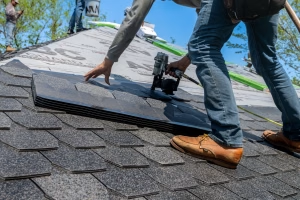
Asphalt shingles are often seen on homes in Rowlett. They’re popular for several reasons: ease of installation, variety in colors, and adaptability to various architectural styles. More than that, with advancements in technology, many asphalt shingles come with reflective coatings. These coatings can reduce heat absorption by reflecting more sunlight, which is a plus for those scorching Texas summers. We’re talking about Energy Star rated shingles here. They help in keeping the attic cooler, consequently reducing the load on your home’s cooling system.
But, they’re not invincible. Standard asphalt shingles can struggle against large hail. High-impact resistant varieties, often rated as Class 4, provide more durability. These can absorb hail impacts better, diminishing the risk of damage during storms. If you’re considering asphalt, look for shingles that have both high heat and impact resistance ratings.
Metal Roofing: Durability Under Pressure
Metal roofing is a strong contender for Rowlett’s weather extremes. Made from materials like aluminum, steel, or copper, these roofs can last 40 to 70 years. Metal roofs reflect sunlight, making them excellent at reducing heat gain. This quality can significantly decrease your home’s cooling costs.
What really sets metal roofing apart, though? Its resilience against hail. Metal roofs can withstand hail with minimal damage, especially if you opt for thicker gauge metals. Make sure to check for certifications that prove their impact resistance. The sound of rain or hail on metal roofs can be louder, but with the right insulation, this can be minimized. In terms of maintenance, metal roofs require less frequent repairs and upkeep compared to other options, providing a long-term solution to your roofing needs. Learn more about metal roof vs shingles in Rowlett hail.
Tile Roofing: Heavyweight Resilience
Tile roofs, whether made of concrete or clay, are known for their durability in harsh climates. In Rowlett’s heat, tiles offer excellent thermal resistance, keeping homes cooler. They can last anywhere from 50 to 100 years if maintained properly.
Hail is another story. While tiles can crack under the impact of large hailstones, they still provide admirable resistance because of their thickness and weight. Profiles like interlocking or flat may distribute impact energy better, reducing breakage. If tile roofing is your choice, regular inspections post-storms are crucial to catch any damage early.
Slate Roofing: Natural Elegance Meets Strength
Slate isn’t just about looks. While it offers a sleek, timeless appearance, its real strength is in its durability. Slate roofs can last over a century if installed correctly. In Rowlett, this means handling the summer heat without degrading.
When it comes to hail, slate performs exceptionally well. Authentic slate is dense and heavy, able to shrug off most hail impacts. However, not all slate is created equal. Some synthetic varieties might not offer the same level of durability, so it’s worth consulting with a roofing expert about genuine slate options versus synthetic ones for your specific needs.
Composite Roofing: Advanced Technology
Composite roofing, made from a blend of materials like fiberglass and recycled papers, mimics the appearance of more traditional roofing materials such as slate or wood shakes. This option brings modern technology into roofing, combining aesthetic appeal with robust performance.
In Rowlett, composite roofs benefit from UV-resistant coatings, extending their lifespan in the Texas sun. They also come with impressive impact ratings for hail resistance. However, not all composite materials are equal. Look for products that specifically mention UV and impact resistant properties to ensure you’re getting a roof that can handle both the heat and the hail.
Thermoplastic Polyolefin (TPO) Membrane: Flat Roof Solution
For flat or low-slope roofs in Rowlett, TPO offers a great solution. This single-ply membrane stands out for its heat-reflective and energy-efficient properties. TPO resists the sun’s UV rays, reducing heat buildup during those long Texas summers, which in turn helps lower cooling costs.
When it comes to hail, TPO demonstrates excellent flexibility and durability. Its surface reflects UV rays, and its strong, flexible material handles impacts well. Regular inspections and maintenance can greatly extend the life of a TPO roof, ensuring that small issues don’t turn into large problems after a hailstorm.
Modified Bitumen: Reliable Layered Protection
Modified bitumen roofing works well for flat roofs. It’s an asphalt-based material reinforced with plastic or rubber, which makes it flexible and durable. In the heat of Rowlett, modified bitumen’s heat-reflective surface comes into play, helping to lower cooling costs.
In terms of hail, layered installation gives modified bitumen a fighting chance. The layers can absorb impacts better than single-ply options. However, since it’s more susceptible to punctures, especially as it ages, routine checks post-storm are advised. Keep an eye on your roof’s condition to ensure it’s always ready for the next bout of weather.
Understanding Roof Installation and Maintenance in Rowlett
Choosing the right roofing material is just part of the equation. Understanding the installation process and long-term maintenance can be the key to extending your roof’s lifespan. During installation, precision in laying each shingle or panel is crucial. Misalignments can lead to weak points where water or debris could accumulate, causing premature wear. For tile roofs, each tile must be properly secured; otherwise, they might shift or crack.
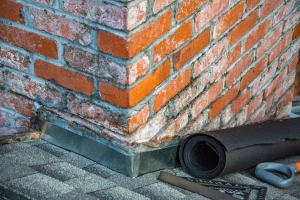
Maintenance is about vigilance. Particularly here, where weather swings from hot to violent storms, regular checks can catch problems early. Debris removal, gutter cleaning, and checking for signs of wear or damage help stave off bigger issues. After a hailstorm or intense summer, go over every inch of the roof, looking for dents, cracks, or loose materials. Address small problems before they grow. For more insights, see how Rowlett weather impacts your roof’s lifespan.
Local Building Codes and Permits: What You Need to Know
Before we dive into any roofing project in Rowlett, it’s important to know the local building codes and permit requirements. The city has specific guidelines that dictate what materials are allowed, how they should be installed, and even how old your current roof must be before you can replace it. Some codes are aimed at ensuring roofs can handle both the heat and hail typical to the area.
Navigating these requirements ensures your roof is up to standard and safe. Permits are essential: they protect you if any issues arise later. Always check with the local building department or your contractor to ensure everything is in compliance before starting work.
Key Takeaways
- Asphalt shingles with reflective coatings reduce heat absorption.
- Metal roofs offer excellent hail resistance and heat reflection.
- Tile roofs provide long-lasting thermal protection but need regular post-storm checks.
- Slate roofing combines aesthetic with century-level durability.
- Composite roofing offers high UV and impact resistance.
- TPO membranes are ideal for flat roofs with good heat and hail resilience.
- Modified bitumen is a good option for flat roofs needing layered protection.
- Proper installation and maintenance extend the lifespan of any roof.
- Knowing local codes and securing permits is crucial before starting a roofing project.
Conclusion
When choosing a roof in Rowlett, understanding how different materials face hail and heat is crucial. It’s about getting the right mix of durability and efficiency. From metal to tile to high-performance composites, each option comes with its own strengths for tackling Texas weather. Give us a call. We’ll help you sort through these options and choose the best roof that stands up to both the sun and hail, protecting your home for years to come.