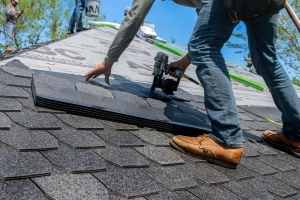
Living in Rowlett, TX, means dealing with specific local roofing regulations every homeowner should know about. Whether you’re looking to replace an aging roof or just patch up a few shingles, understanding these guidelines can save you time and hassle. The City of Rowlett has laid out clear rules regarding permits, code requirements, and inspection processes, and these can directly impact your project timeline and outcome. For instance, you can’t just slap on a new layer of shingles without considering the weight limits regulated by local codes. Ignoring these rules can lead to fines or even having to redo your roofing work. In this article, we’ll walk through the ins and outs of roofing regulations specific to Rowlett, touching on everything from permits to inspections. The idea is to equip you with the knowledge to navigate your roofing project smoothly and legally.
Understanding Rowlett’s Roofing Permit Requirements
Before we even start lifting shingles, we need to talk permits. In Rowlett, TX, a permit is required for most roofing work beyond simple repairs. This means if you’re doing anything more complex than replacing a few damaged shingles, you’ll need to apply for a permit at the Rowlett Building Inspections Office. The application involves submitting detailed plans of your intended work, which can include the type of materials being used and the scope of the project. Permits ensure that your work complies with local building codes, aiming to uphold safety standards. Without the necessary permit, you risk delays, fines, or having to dismantle non-compliant work. It’s not just a bureaucratic hurdle; it’s a safeguard for your home’s safety and value.
The Role of Building Codes in Roofing
Building codes in Rowlett are designed to ensure that construction is safe, durable, and environmentally friendly. When it comes to roofing, these codes dictate everything from the type of materials you can use to the methods of installation. For example, there are specific requirements for fire resistance, which means you might need to choose materials that can withstand a certain temperature for a specified duration. Codes can also specify how a roof should be ventilated to prevent moisture buildup — crucial in our Texas climate where heat and humidity can wreak havoc on poorly ventilated spaces. Ignoring these codes can lead to structural issues or even void your insurance claim in case of a disaster. Learn more about roof repair and replacement, the process and costs.
Inspections: What to Expect
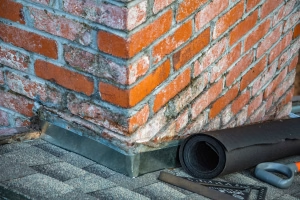
After you’ve secured a permit and started your roofing project, inspections come next. Inspections are mandatory at various stages of the roofing process in Rowlett. Typically, they occur once the old roof is removed and again when the new roof is in place, but before the final layer is applied. Inspectors check if the materials and construction methods meet code and permit requirements. They look for things like proper flashing, correct insulation, and adequate roof slope — essential for water runoff. Failing an inspection means you’ll need to address any issues before proceeding, which could set back your timeline. Inspections aren’t just red tape; they are your assurance that the job is done right.
Choosing the Right Materials
Rowlett’s building codes impose certain restrictions on the types of materials you can use for roofing. Asphalt shingles, for instance, must meet specific standards for wind resistance and fire rating. Metal roofing has its own set of guidelines related to installation and fastening systems. The material you choose could also have an impact on the insulation requirements, as certain materials may provide more natural insulation than others. Picking the right material isn’t just about aesthetics or initial cost; it affects the longevity and performance of your roof. Plus, using non-compliant materials could result in having to replace them, adding unnecessary cost and hassle to your project. Check out our guide on metal roof vs shingles in Rowlett hail.
Adhering to Weight and Load Limitations
Another crucial aspect often overlooked is the weight and load limitations of your roofing structure. Rowlett’s codes specify the maximum weight that can be supported by your roof structure. This is particularly important if you’re considering adding a new layer on top of an existing roof. While layering can save time and labor, it’s only an option if the structure can handle the additional weight. Exceeding weight limits can compromise the structural integrity of your home, leading to potential collapses or damage. Understanding these limits helps you plan effectively, ensuring your new roof is both safe and compliant.
The Impact of Texas Weather on Roof Regulations
Texas weather is another factor baked into local roofing regulations. The codes ensure roofs can withstand severe weather, from high winds to heavy rain and the relentless Texas sun. Roofing materials in Rowlett must meet specific standards for wind uplift resistance, a crucial point given our stormy seasons. Plus, the heat can affect adhesive materials, making proper ventilation essential to prevent damage. Codes also require certain reflective materials to reduce heat absorption, which can help lower energy costs. Understanding these weather-related regulations can guide your material and design choices. If you’re dealing with storm damage, consider storm damage repair services.
Ensuring Compliance and Avoiding Penalties
The last thing you want is to finish a roofing project only to find out you’re non-compliant with local codes. Fines and penalties not only add costs but can delay the completion of your project significantly. The best way to ensure compliance is by working with a knowledgeable contractor familiar with Rowlett regulations. We understand the local codes and can guide you through the permitting process, material selection, and inspection requirements. This proactive approach can prevent headaches down the line, ensuring your project is completed on time and within legal requirements.
Timing Your Roofing Project Seasonally
Timing matters when you’re tackling a roofing project. In Texas, summer heat can make roofing an unbearable task. Asphalt shingles, for example, can become overly pliable under intense sun, making them more difficult to handle and increasing the risks of errors during installation. On the other hand, winter may bring cooler temperatures that are more suitable for roofing work, but rain can become a delay factor. Planning your project around fall or spring might offer the best balance — mild weather means safer working conditions and fewer delays. Understanding the seasonal implications helps you time your project for optimal results.
What Rowlett Building Codes Demand From Contractors
Rowlett building codes have specific requirements for the contractors working on your roofing project. Contractors must adhere to strict licensing standards, ensuring they have the necessary skills and knowledge to perform the work. Additionally, they are required to maintain insurance, which protects both the homeowner and the workers from potential accidents or damage. Choosing a contractor who meets these requirements not only ensures compliance but also contributes to a smooth and stress-free project execution. Verifying your contractor’s credentials is a step you can’t afford to skip. Learn how to choose the right roofing repair contractor.
Long-term Performance and Maintenance Requirements
Beyond the initial installation, Rowlett’s roofing regulations also touch on maintenance to prolong the life of your roof. Regular inspections and upkeep are part of what keeps your roof in compliance over the years. For instance, cleaning gutters, checking for loose or damaged shingles, and inspecting flashing are steps that can prevent minor issues from becoming costly repairs. Most materials, like asphalt shingles, commonly have a lifespan of 15-30 years depending on quality and maintenance. Staying on top of regular maintenance can help your roof reach or even exceed its expected lifespan.
Key Takeaways
- Permits are required for most roofing work beyond minor repairs in Rowlett.
- Building codes specify materials, fire resistance, and ventilation needs.
- Inspections ensure code compliance at various project stages.
- Materials must meet local standards for wind and fire resistance.
- Adhering to weight limits prevents structural issues.
- Texas weather impacts material and ventilation regulations.
- Seasonal timing affects installation efficiency and project timelines.
- Verified contractors are key to meeting local code demands.
- Regular maintenance supports long-term roof performance.
Conclusion
Navigating roofing regulations in Rowlett might seem daunting, but understanding them is essential for a successful project. From permits to material choices, each step has specific guidelines that ensure safety and compliance. Working with a contractor familiar with these codes can streamline the process and prevent costly mistakes. So, next time you’re considering a roofing project, remember: knowledge of local regulations is as crucial as the hammer and nails in your toolbelt. It’s not just about completing a project; it’s about doing it right.